node-js-performance-tips

Node.js Performance Optimization: Scaling from 100 to 10,000 RPS

Introduction Node.js Performance Optimization :- A basic Node.js API might handle around 100 requests per second (RPS) on modest hardware. However, with proper optimization, you can achieve 10,000 RPS on the same infrastructure. This guide explores practical techniques to bridge this performance gap while maintaining reliability. Table of Contents Node.js Event Loop Fundamentals Core Performance […]

Node.js Performance Optimization: Scaling from 100 to 10,000 RPS Read More »
.NET BACKGROUND JOB

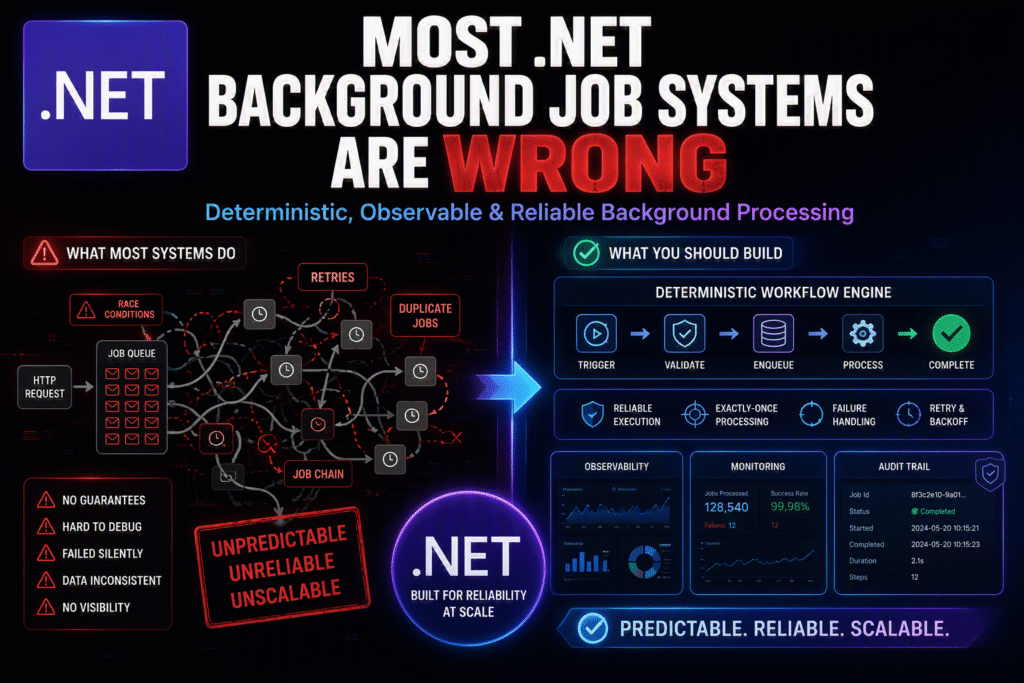
Reliable Background Jobs in .NET: A Production-Grade Pattern

Key Insight – Most .NET background job systems compromise reliability or performance. This article reveals common flaws and presents a robust alternative. The Critical Role of Background Jobs Background processing handles essential tasks that shouldn’t block user requests: Email/SMS delivery Data aggregation Batch processing Scheduled reports Poor implementations risk: Data loss when jobs disappear during

Reliable Background Jobs in .NET: A Production-Grade Pattern Read More »

Your fetch() Is Still Running After the User Left – How to Detect, Cancel, and Optimize

Single-page applications often continue running fetch() requests after users navigate away, wasting bandwidth and server resources while potentially causing memory leaks. This guide explains why it happens and provides actionable solutions. Key Insight: Use AbortController tied to component lifecycle, clean up in useEffect/onUnmounted, and verify with Chrome DevTools Network tab. Table of Contents The Problem

Your fetch() Is Still Running After the User Left – How to Detect, Cancel, and Optimize Read More »

Migrating from wkhtmltopdf in .NET: A Practical Guide for Azure, Windows, and Linux

wkhtmltopdf is archived. Your .NET applications need a modern replacement that works reliably across Windows, Azure, and Linux environments. This guide walks you through production-ready migration paths with code you can implement today. Why the Archive Matters wkhtmltopdf reached end-of-life without security updates or feature development. While existing installations continue working, new projects require actively

Migrating from wkhtmltopdf in .NET: A Practical Guide for Azure, Windows, and Linux Read More »

How a Single CSS Line Broke a Popular React Animation Library (And How I Fixed It)

The animation glitch was caused by React removing a component before its CSS opacity transition could finish. By moving the class toggle into a requestAnimationFrame callback and adding will‑change: opacity, the animation runs to completion, eliminating layout thrashing and fixing the bug for all users. Keywords: React animation bug, CSS transition, React Transition Group, Framer

How a Single CSS Line Broke a Popular React Animation Library (And How I Fixed It) Read More »

ef-core-linq-dapper

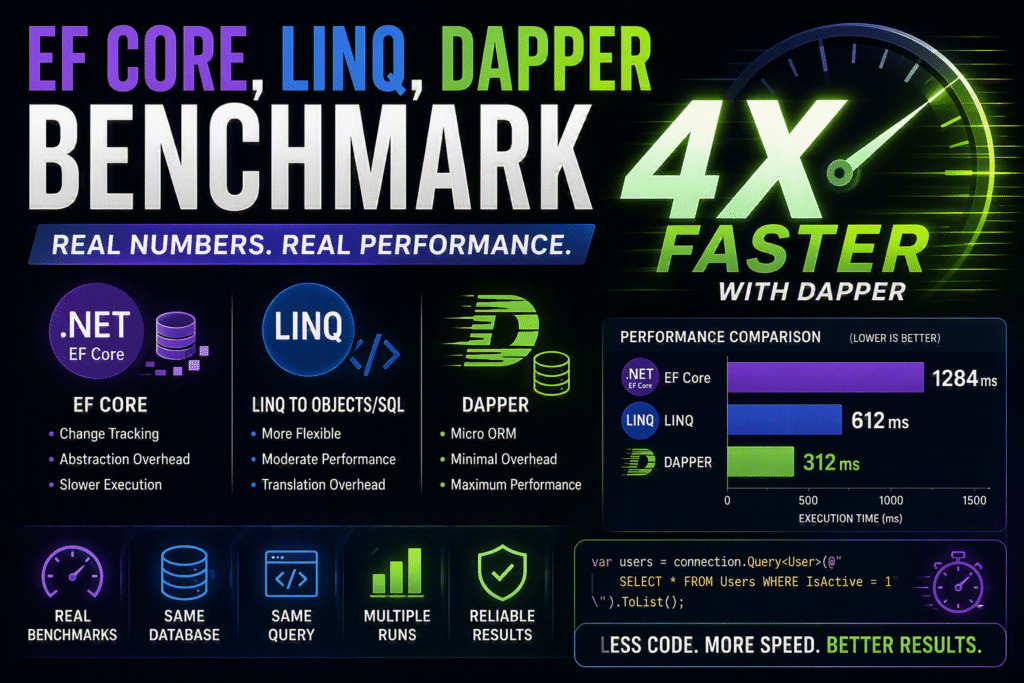
EF Core, LINQ & Dapper in .NET — Optimize Your Data Layer (Real Benchmarks)

Building a high-performance data layer is a critical task for any .NET developer. This article compares EF Core, LINQ, and Dapper through production-grade benchmarks, providing actionable insights and code examples to optimize your data access strategy. You’ll find real-world scenarios, performance metrics, and practical tips to help you scale efficiently. Table of Contents Benchmark Overview

EF Core, LINQ & Dapper in .NET — Optimize Your Data Layer (Real Benchmarks) Read More »

Debounce vs Throttle in JavaScript: Simple Guide + Code

Debounce vs Throttle in JavaScript: Complete Comparison + Code

Featured Snippet Debounce and throttle are two handy JavaScript techniques that help control how often a function runs when dealing with rapid-fire events like scroll, resize, or keypress. Debounce waits for the event to settle before firing, while throttle ensures a function runs at fixed intervals. Both improve performance and prevent unnecessary calls. Table of

Debounce vs Throttle in JavaScript: Complete Comparison + Code Read More »

Fetch API Guide: GET, POST, PUT, DELETE Examples

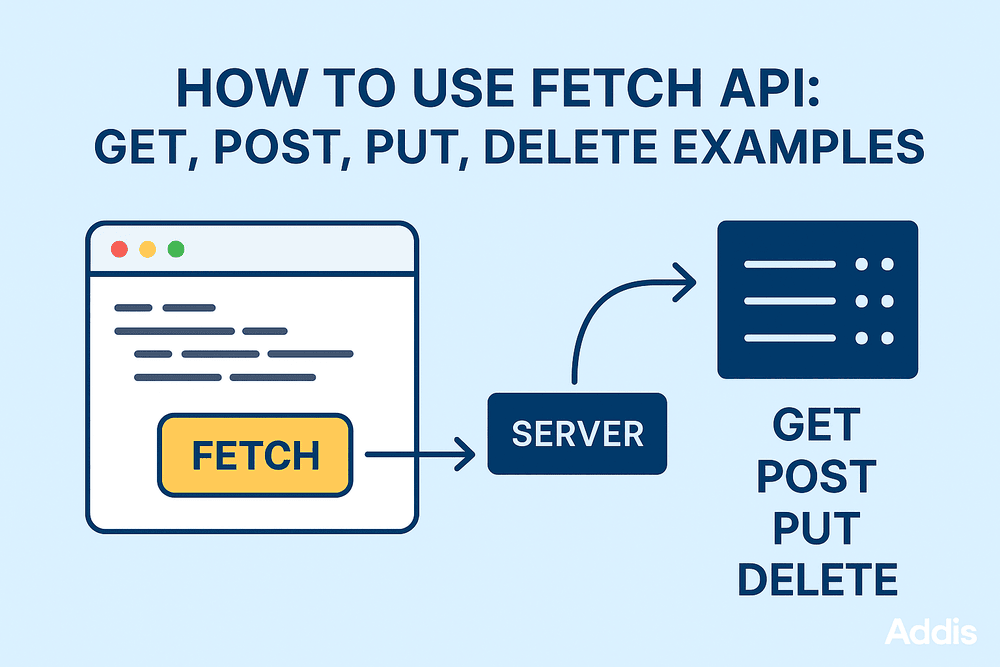
How to Use Fetch API: GET, POST, PUT, DELETE Examples

The Fetch API provides a modern and cleaner way to make HTTP requests in JavaScript. Whether you’re building front-end apps, connecting to REST APIs, or working with JSON data, Fetch makes the process simple and flexible. In this guide, you’ll learn how to use Fetch for GET, POST, PUT, and DELETE requests with clean examples.

How to Use Fetch API: GET, POST, PUT, DELETE Examples Read More »

Event Loop in JavaScript: Visual Guide for Beginners

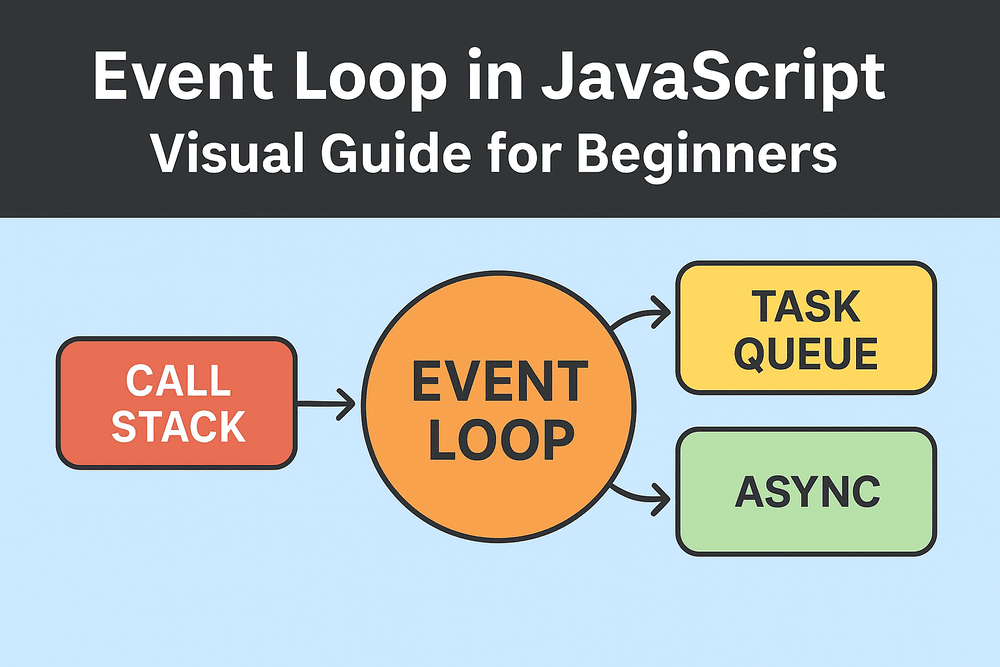
Event Loop in JavaScript: Visual Guide for Beginners

The JavaScript event loop lets a single-threaded runtime handle async work. It empties the call stack, runs microtasks (Promises), then handles macrotasks (setTimeout, UI events) so the UI stays responsive. Introduction Call Stack and Single Threaded Nature Tasks vs Microtasks Event Loop Step-by-Step Code Examples Common Gotchas Visualizing with a Timeline FAQ Introduction Alright, let’s

Event Loop in JavaScript: Visual Guide for Beginners Read More »

Var vs Let vs Const: Which to Use in JS?

Var vs Let vs Const: What to Use in Modern JavaScript?

var vs let vs const In modern JavaScript, use const by default, let when the value will change, and avoid var because of function scoping and hoisting pitfalls. This approach keeps your code predictable, reduces bugs, and aligns with today’s best practices in ES6+ development. If you’re working with JavaScript regularly, you’ve definitely run into

Var vs Let vs Const: What to Use in Modern JavaScript? Read More »