Dinesh Kumar

Debounce vs Throttle in JavaScript: Simple Guide + Code

Debounce vs Throttle in JavaScript: Complete Comparison + Code

Featured Snippet Debounce and throttle are two handy JavaScript techniques that help control how often a function runs when dealing with rapid-fire events like scroll, resize, or keypress. Debounce waits for the event to settle before firing, while throttle ensures a function runs at fixed intervals. Both improve performance and prevent unnecessary calls. Table of […]

Debounce vs Throttle in JavaScript: Complete Comparison + Code Read More »
Fetch API Guide: GET, POST, PUT, DELETE Examples

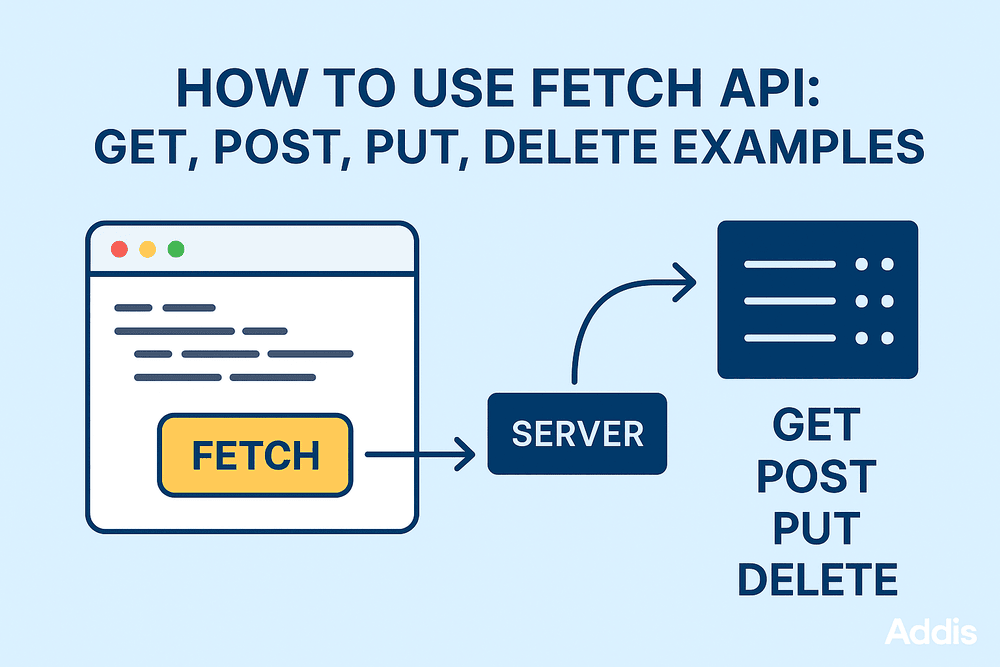
How to Use Fetch API: GET, POST, PUT, DELETE Examples

The Fetch API provides a modern and cleaner way to make HTTP requests in JavaScript. Whether you’re building front-end apps, connecting to REST APIs, or working with JSON data, Fetch makes the process simple and flexible. In this guide, you’ll learn how to use Fetch for GET, POST, PUT, and DELETE requests with clean examples.

How to Use Fetch API: GET, POST, PUT, DELETE Examples Read More »

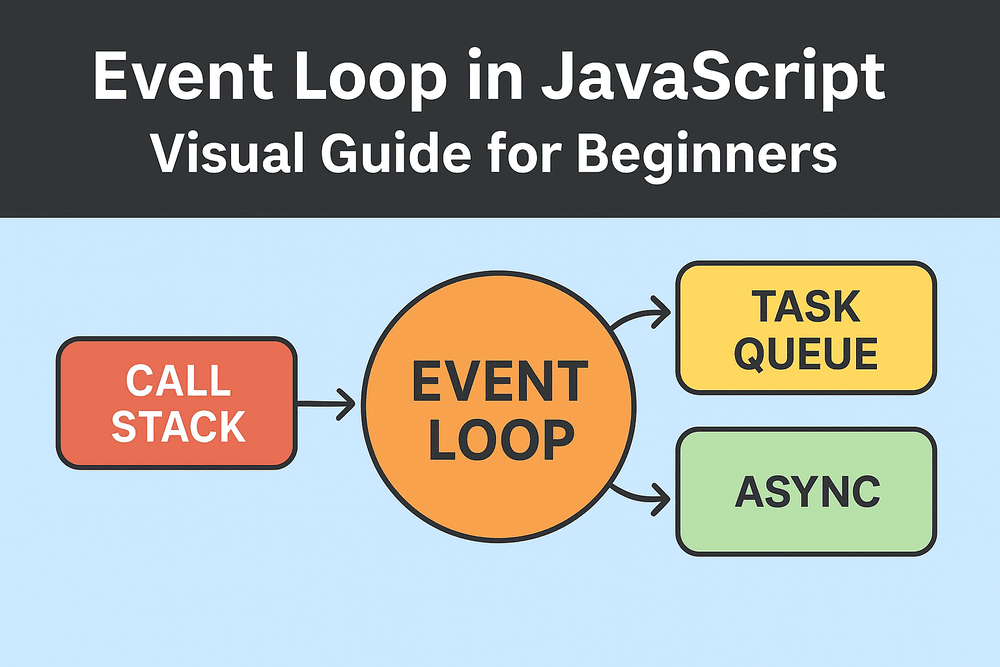
Event Loop in JavaScript: Visual Guide for Beginners

Event Loop in JavaScript: Visual Guide for Beginners

The JavaScript event loop lets a single-threaded runtime handle async work. It empties the call stack, runs microtasks (Promises), then handles macrotasks (setTimeout, UI events) so the UI stays responsive. Introduction Call Stack and Single Threaded Nature Tasks vs Microtasks Event Loop Step-by-Step Code Examples Common Gotchas Visualizing with a Timeline FAQ Introduction Alright, let’s

Event Loop in JavaScript: Visual Guide for Beginners Read More »

Var vs Let vs Const: Which to Use in JS?

Var vs Let vs Const: What to Use in Modern JavaScript?

var vs let vs const In modern JavaScript, use const by default, let when the value will change, and avoid var because of function scoping and hoisting pitfalls. This approach keeps your code predictable, reduces bugs, and aligns with today’s best practices in ES6+ development. If you’re working with JavaScript regularly, you’ve definitely run into

Var vs Let vs Const: What to Use in Modern JavaScript? Read More »

Scalable React Folder Structure Guide

How to Structure a Scalable Folder Architecture in React (React folder structure)

If you’ve worked on even a moderately large React project, react folder structure – you know the pain—files all over the place, random components lying in some “temp” folder, and teammates asking, “Bro, where did you keep the API file?” A clean folder architecture isn’t just good practice; it’s survival. And trust me, after years

How to Structure a Scalable Folder Architecture in React (React folder structure) Read More »

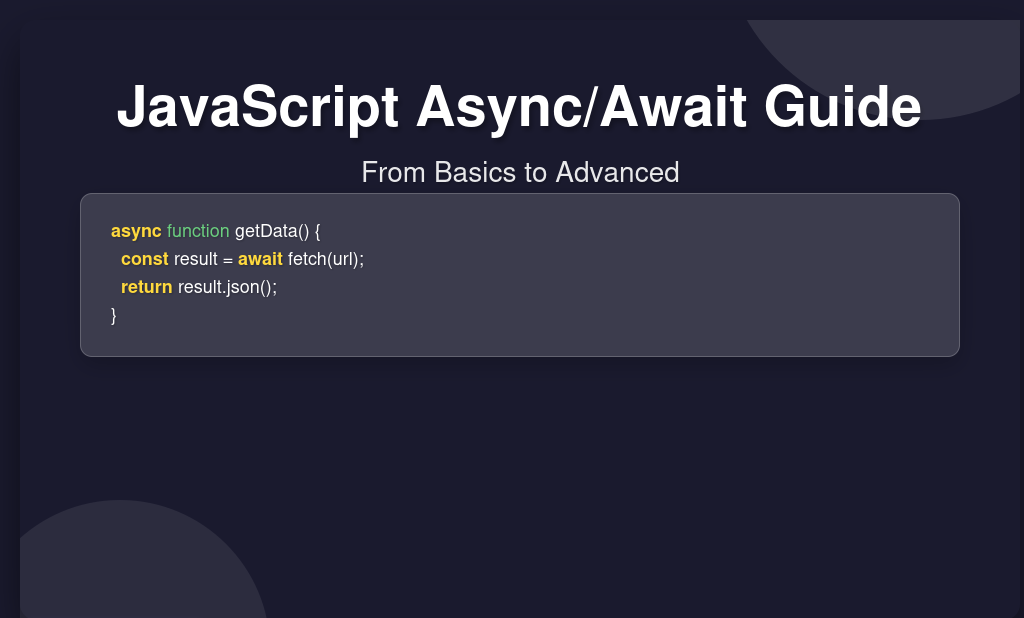
JavaScript Async/Await Guide: From Basics to Advanced

How Async/Await Works in JavaScript (Beginner to Advanced Guide)

Async/await makes JavaScript asynchronous code feel almost synchronous. An async function always returns a promise, and await pauses only that function until the promise resolves. The result? Cleaner flow, easier debugging, and far fewer .then() pyramids. It’s basically promises… but without the drama. Table of Contents What Is Async/Await? If you’ve ever stared at a

How Async/Await Works in JavaScript (Beginner to Advanced Guide) Read More »

JavaScript Closures Explained with Real Examples

JavaScript Closures Explained with Real-World Examples

JavaScript closures let a function remember and access variables from its lexical scope even after the outer function has finished running. They power private variables, function factories, memoization, event handlers, and patterns used across modern JavaScript frameworks. A closure basically mixes scope, memory, and execution context into one extremely useful abstraction. Introduction Closures are one

JavaScript Closures Explained with Real-World Examples Read More »